Guides · Port St. Joe, Florida
A Weekend in Port St. Joe: What to See, Eat and Do
The town of St. Joseph wrote Florida’s first constitution, then died of fever and flood within six years; Port St. Joe, its quieter successor, keeps the name and the memory.
The Town That Died, and the One That Stayed
Say it plainly: this place is built on a grave. The original St. Joseph sprang up in the 1830s as a port and boomtown, drew territorial delegates who drafted Florida’s first constitution between December 1838 and January 1839, and then was mostly abandoned in 1841 when yellow fever swept through. A hurricane storm surge in 1844 finished the wreckage. The modern town, a few miles to the southeast, carries the saint’s name with “Port” tacked on, as if to clarify that this is the second attempt.
Everything here has been rebuilt at least once. That fact matters when you walk the streets. The motto is still “Birthplace of the Florida Constitution,” and the town’s median age is 52.9 years—a place of retirees, second homes, and people who chose the water over the rush. The census counts 3,499 residents, with 473 vacant housing units and 270 held for seasonal use. You are likely a visitor. Do not pretend otherwise.
What to See: Sand, Lighthouse, and a Museum That Tells the Truth
Start at T.H. Stone Memorial St. Joseph Peninsula State Park, rated 4.8 from 1,872 reviews, on Cape San Blas Road west of town. This is the big draw, and the rating is not sentimental. The park covers the peninsula’s wild tip, with dunes, pine scrub, and the Gulf on one side, the bay on the other. It is not a manicured beach. It is a barrier island doing what barrier islands do—shifting, eroding, reminding you that the 1844 storm surge was not a fluke.
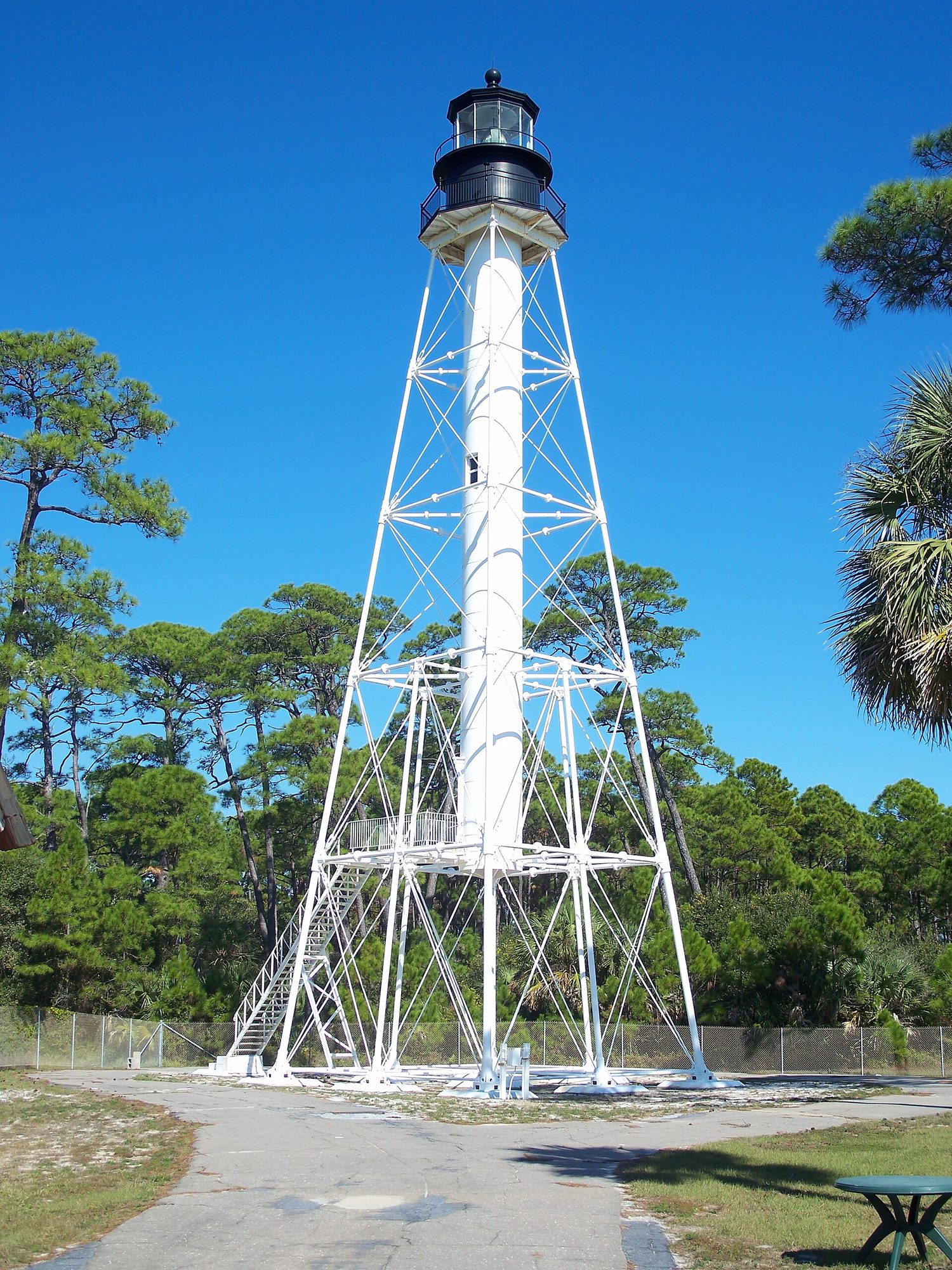
Drive farther west to Cape San Blas and its lighthouse. The structure has been moved twice, rebuilt after storms, and now stands as a stubby white sentinel. You can see it from the road. You can also feel the emptiness around it. That emptiness is the point.
Then go to Constitution Convention Museum State Park, 14 acres outside town. The building holds a reproduction of the 1838 convention hall and audio-animated recreations of the delegates. It is not flashy. It is precise, and it is the only place in Florida where you can stand in the room where statehood began—or near enough. The delegates met from 3 December 1838 to 11 January 1839. They wrote a constitution. Then they left, and within five years, most of their town was gone. The museum does not oversell the drama. It lets the dates do the work.
Where to Eat: The Raw Bars and the Restaurants That Survive
Port St. Joe’s food scene is small but serious. The highest-rated seafood spots are not in town proper. Indian Pass Raw Bar, rated 4.6 from 2,079 reviews, sits on County Road 30A in the unincorporated settlement of Indian Pass, a long drive down the peninsula. It is a raw bar in the old sense—oysters, beer, no pretense. Shipwreck Raw Bar, rated 4.5 from 2,566 reviews, is on Highway 98 west of town, closer but still outside the grid. Both are worth the miles. The ratings are high because the product is simple and the setting is real.
Inside town, Hunt's on St Joe Bay (4.4, 779 reviews) fronts the water on County Road 30A and gives you bay views with your seafood. Uptown Raw Bar & Grill (4.5, 1,502 reviews) anchors the corner of Reid and Cecil Costin, serving as the neighborhood’s casual gathering spot. Krazyfish Grille (4.1, 2,910 reviews) is the most-reviewed seafood place in town, on Monument Avenue—the busiest, loudest, most reliable option, but not the best.
For sit-down meals, the competition tightens. Joe Mama's Wood Fired Kitchen (4.6, 2,058 reviews) on Reid Avenue is the crowd favorite, with a wood-fired oven and a menu of pizzas and plates that draws lines. The White Marlin and Oysterette (4.6, 1,281 reviews) on Monument Avenue is more refined, with a raw bar and a dining room that feels like a step up. Provisions Restaurant & Catering (4.6, 1,025 reviews) on Reid Avenue leans into local sourcing and a changing menu. Sisters' Bistro (4.5, 756 reviews) on Reid Avenue is smaller, quieter, and a good counterpoint to the raw-bar circuit.
Mexican food punches above its weight. Pepper's Mexican Grill & Cantina (4.4, 1,996 reviews) on Reid Avenue is the reliable cantina, busy on weekends. Quatro Locos Tacos and Cantina (4.7, 729 reviews), sharing an address with Sand Dollar Cafe (4.7, 978 reviews) on Monument Avenue, does modern tacos and has the town’s highest restaurant rating tied with the cafe. Sand Dollar Cafe itself is a breakfast and lunch spot, the kind of place where the coffee is hot and the eggs are straightforward.
One warning: there is a McDonald's (3.2, 1,514 reviews) on Highway 98. It exists. You will not need it. The raw bars are open late and the wood-fired kitchen is better than anything a drive-through can offer.
How to Spend a Weekend
Friday evening: Get into town, check in, and go straight to Indian Pass Raw Bar before the line builds. Eat oysters, drink something cold, watch the sun drop over the bay. Drive back in the dark. The road is narrow and the deer are real.
Saturday morning: Sand Dollar Cafe for breakfast. Then drive to T.H. Stone Memorial St. Joseph Peninsula State Park and walk the beach. Do not plan a schedule. The park is the schedule. Bring water, sunscreen, and a hat.
Saturday afternoon: Constitution Convention Museum State Park. Spend an hour with the delegates. Let the strangeness settle: these men wrote the document that made Florida a state, and their town vanished within three years. Then head to Joe Mama's for an early dinner. If the wait is long—it will be—walk down Reid Avenue to Provisions or Sisters' Bistro.
Saturday night: Shipwreck Raw Bar or Uptown Raw Bar & Grill. Both are dark, loud, and full of locals. Order what the people next to you are ordering.
Sunday morning: Quatro Locos Tacos and Cantina for a late breakfast, or Pepper's if you want something heartier. Then drive out to Cape San Blas and the lighthouse. Stand there, look at the water, and remember that the first town here did not survive the weather. Neither will the second one, eventually. That is not a tragedy. That is a fact.
The Numbers Behind the Place
Port St. Joe is not wealthy, not poor, and not growing fast. Median household income is $60,347. Median home value is $280,600. Median gross rent is $1,342. One in three residents holds a bachelor’s degree. The unemployment rate is 6 percent. Total housing units number 2,037, and 473 of them sit vacant—a reminder that this is a town of second homes and seasonal residents, not a bustling city.
The median age of 52.9 years tells you who lives here: people who came for the water and stayed because the pace suits them. The 270 seasonal housing units tell you who visits: people who come back every year, some for the constitution museum, most for the beach.
Do not call it a hidden gem. It is not hidden. It is just small, and it has a past it cannot shake. The first St. Joseph died of fever and storm within three years of writing the state’s constitution. The second one, Port St. Joe, is quieter about its legacy—but it is still here, rebuilt, serving oysters and tacos and history to anyone who bothers to stop.
Every business named above is one we hold a listing for, and every date traces to a source on our sources page. We do not describe menus, interiors or service we have not verified. Details change — confirm before you travel.