Guides · Port St. Joe, Florida
Wildlife in Port St. Joe, FL: Top Spots to See Animals
The town that wrote Florida's first constitution was erased by fever and storm within six years. The wildlife moving through these dunes, flats, and forests is the living evidence of the land's long recovery.
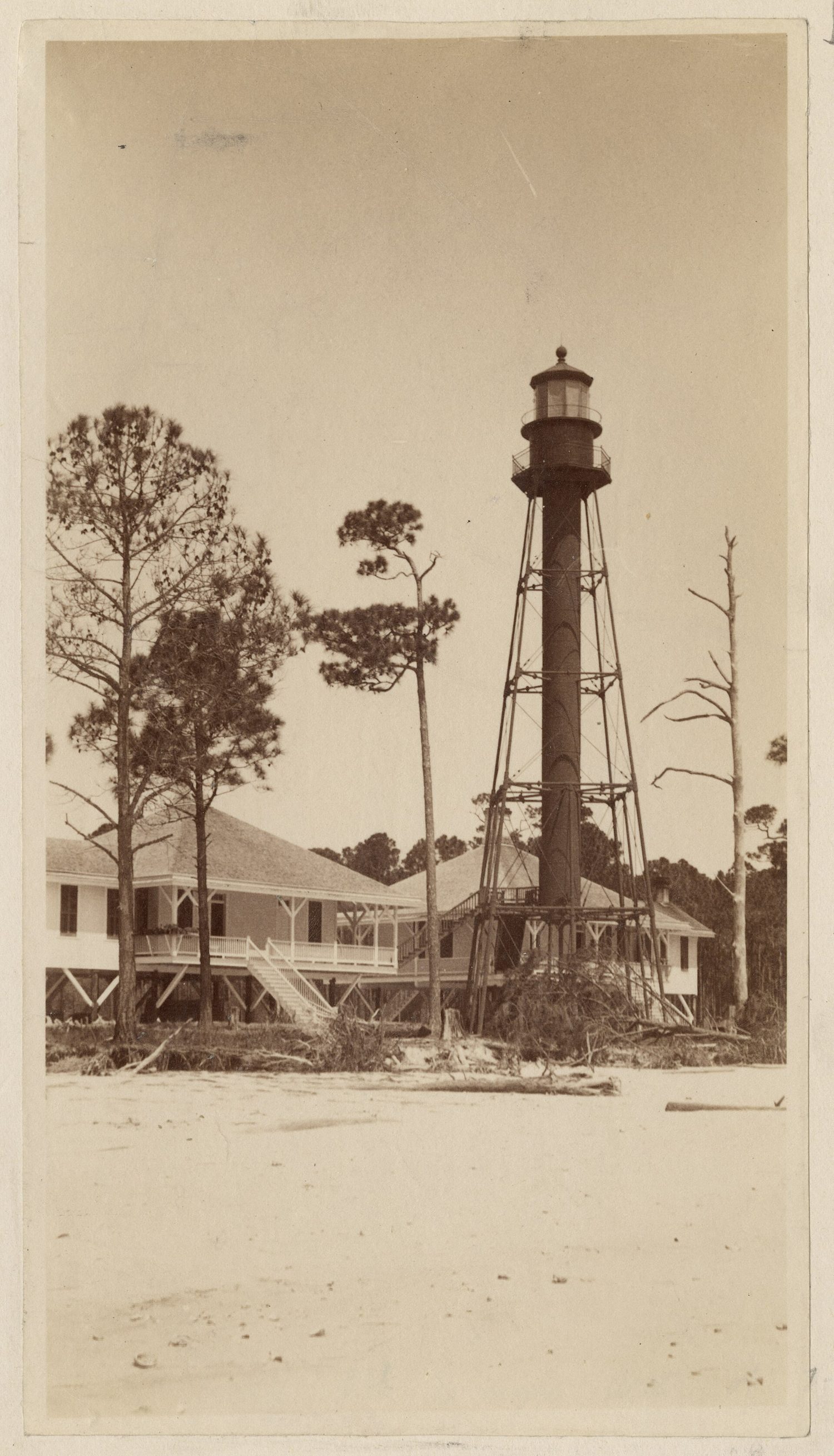
Why Port St. Joe's Wild Side Tells a Story of Resilience
Port St. Joe sits on the site of a settlement that died. The original St. Joseph was mostly abandoned in 1841 after a yellow fever epidemic. A hurricane storm surge in 1844 destroyed what structures remained. The modern town carries the saint's name of the settlement that died here—St. Joseph, with Port added. Everything here has been rebuilt at least once. The first town was erased by fever and storm within three years, and the port that replaced it took the same name. What survives, and thrives, is the wild land itself. The parks and preserves around town are not merely scenic; they are the quietest monuments to that resilience. Watch a heron stalk the bay's edge or a gopher tortoise cross a sandy trail. You are witnessing a landscape that has outlasted every human attempt to hold it.
St. Joseph Peninsula State Park: Prime Birding and Wildlife Viewing
T.H. Stone Memorial St. Joseph Peninsula State Park is the primary destination for birding and wildlife viewing, with 1,872 reviews rating it 4.8. The park occupies a narrow spit of land with the bay on one side and the Gulf on the other—dunes, maritime forest, and salt marsh in a single sweep. Shorebirds work the tide lines; songbirds move through the scrub; the bay side holds wading birds in numbers that make the human visitors feel incidental. The park's high rating reflects what is visible from its trails and beach, but conditions change with weather and season. Before you go, check what is open. Coastal storms can close access, and the peninsula's wildlife patterns shift with tides and seasons.
St. Joseph Bay Buffer Preserve: Self-Guided Nature Trails
St. Joseph Bay State Buffer Preserve Visitor Center offers a different kind of encounter. Rated 4.7 from 419 reviews, the preserve protects a significant stretch of the bay's shoreline and uplands. Its visitor center is the starting point for interpretive trails. This is a place for self-guided exploration, where the habitats—pine flatwoods, scrub, salt marsh—are laid out for reading. The emphasis here is on understanding the ecosystem rather than merely passing through it. For travelers who want to know what they are looking at, the preserve is the closest thing to a field guide in physical form.
Quiet Wildlife Parks Around Port St. Joe
The main state park draws the crowds. For quieter hours, several smaller sites offer distinct habitats without the foot traffic. Salinas Park (4.7, 462 reviews) sits along Cape San Blas Road and provides easy access to the bay's edge. Cape Palms Park (4.6, 387 reviews) offers a more sheltered setting, with trees and shade that attract songbirds. William J "Billy Joe" Rish Recreation Area (4.9, 204 reviews) is the highest-rated small site, with a mix of beach and wooded areas that rewards slow walking. Frank Pate Park (4.5, 283 reviews) is a straightforward neighborhood park with water access and open space. None of these require a full day. All of them offer a chance to see wildlife without the state park's volume.
See Marine Life: Kayak Rentals and Guided Charters
Marine life requires getting wet. Scallop Cove Too and Pontoon / Kayak / Golf Cart Rentals (4.8, 208 reviews) is based at the state park and offers pontoons and kayaks for exploring the bay on your own schedule. For guided trips, Perfect Cast Charters (5.0, 189 reviews), AquaBear Adventures (4.7, 158 reviews), Salty Fish Excursions Snorkeling, Fishing Cape San Blas (4.9, 135 reviews), and Shallow Seas Charters (5.0, 125 reviews) all run from Port St. Joe or nearby Cape San Blas. Snorkeling and fishing charters put you over scallop beds and grass flats where fish, rays, and crabs are common. The scallop season is the region's signature draw. It closes with the Florida Scallop, Music & Arts Festival on Labor Day weekend.
Combine History and Wildlife: Constitution Museum and Nearby Nature
Constitution Convention Museum State Park sits on 14 acres outside town, with a reproduction convention hall and audio-animated recreations of the 1838 delegates. Territorial delegates met at St. Joseph from 3 December 1838 to 11 January 1839 to write the state's first constitution. The town's motto is still Birthplace of the Florida Constitution. The museum is a reminder that the same land that now hosts ospreys and sea turtles once hosted the drafting of a founding document. A day that begins at the museum and moves to the buffer preserve or the peninsula is a walk through both the state's birth and its natural resilience. The two are not separate stories. They are the same story told at different speeds.
Port St. Joe Wildlife Spots at a Glance
| Park or Outfitter | Best For |
|---|---|
| T.H. Stone Memorial St. Joseph Peninsula State Park | Dunes, maritime forest, bay and gulf birding |
| St. Joseph Bay State Buffer Preserve Visitor Center | Interpretive trails, self-guided ecology |
| Salinas Park | Bay access, quiet shoreline walking |
| Cape Palms Park | Sheltered trees, songbirds |
| William J "Billy Joe" Rish Recreation Area | Beach and woods mix, high-rated solitude |
| Frank Pate Park | Neighborhood water access |
| Scallop Cove Too and Pontoon / Kayak / Golf Cart Rentals | Self-guided bay exploration |
| Perfect Cast Charters | Guided fishing and sightseeing |
| AquaBear Adventures | Snorkeling and eco-tours |
| Salty Fish Excursions Snorkeling, Fishing Cape San Blas | Scalloping and fishing trips |
| Shallow Seas Charters | Small-group marine trips |
The census counts 3,499 people in Port St. Joe, with a median age of 52.9 years. Of 2,037 housing units, 473 stand vacant, and 270 are held for seasonal or recreational use. This is a town that empties out, that leaves room for the birds. The wildlife does not need to be told to return; it never left. What was built here failed, and the land took it back. That is the story you can see from any trail, any shore, any quiet hour on the bay.
Common questions
- Where can I see wildlife around Port St. Joe?
- T.H. Stone Memorial St. Joseph Peninsula State Park and the St. Joseph Bay State Buffer Preserve are the main spots for wildlife. Both are highly rated and offer diverse habitats. The peninsula park has beach and dune ecosystems, while the buffer preserve focuses on bay and coastal habitats.
- What is the best park for birdwatching near Port St. Joe?
- The St. Joseph Bay State Buffer Preserve Visitor Center is excellent for birdwatching, rated 4.7 from 419 reviews. Its protected bay and upland areas attract many species. You can also try T.H. Stone Memorial St. Joseph Peninsula State Park, which is a stopover for migratory birds.
- Can I see sea turtles in Port St. Joe?
- Sea turtles nest on the beaches of T.H. Stone Memorial St. Joseph Peninsula State Park and Cape San Blas. The best time is during nesting season, typically summer. Always keep your distance and avoid disturbing nests. The park is a protected area for these species.
- Are there places to see dolphins or manatees around Port St. Joe?
- Yes, dolphin sightings are common on bay tours like Perfect Cast Charters or AquaBear Adventures. Manatees are less frequent but can appear in the bay. Charter operators know the best spots. Book a tour for the best chance to see them.
- What is the best spot for seeing shorebirds and wading birds?
- Salinas Park and Cape Palms Park along Cape San Blas are good for shorebirds. For wading birds, the St. Joseph Bay State Buffer Preserve is ideal due to its marshes. Early morning or late afternoon are the best times to visit.
- Is there a place to see alligators near Port St. Joe?
- Alligators are rarely seen in the immediate Port St. Joe area, but the St. Joseph Bay State Buffer Preserve may have them in freshwater ponds. Always keep a safe distance. For guaranteed sightings, you'd need to travel inland to freshwater habitats.
Every business named above is one we hold a listing for, and every date traces to a source on our sources page. We do not describe menus, interiors or service we have not verified. Details change — confirm before you travel.