Guides · Port St. Joe, Florida
One Perfect Day in Port St. Joe, Florida: Hour by Hour
The town that wrote Florida's constitution was gone within six years, erased by fever and storm. The Port St. Joe that stands today is a second settlement. Every hour spent here is a quiet act of persistence.
Morning: Explore the Ghost Grid of Old St. Joseph
Start at Constitution Convention Museum State Park, 14 acres outside town. The 1838 convention isn't a date on a plaque here; it's a room you can stand inside. The reproduction convention hall and its audio-animated delegates bring the 3 December 1838 to 11 January 1839 session to life—the one that produced the state's first constitution. The town's motto, "Birthplace of the Florida Constitution," is not nostalgia. It's the only claim the original St. Joseph could make before it vanished.
Walk the modern streets where the original town stood. The grid is gone. The 1841 yellow fever epidemic scattered the survivors; the 1844 hurricane storm surge destroyed what structures remained. What you see now is a rebuilt settlement that took the saint's name of the dead one and added "Port" to distinguish itself. The erasure isn't abstract. It's in the geometry of the streets, which follow a different logic than the one the 1838 delegates knew.
Midday: Lunch and the Working Waterfront
For lunch, head to Reid Avenue. That's where the town's current life is conducted. Joe Mama's Wood Fired Kitchen (406 Reid Ave, rated 4.6 from 2058 reviews) and Provisions Restaurant & Catering (222 Reid Ave, rated 4.6 from 1025 reviews) both sit on the same street where the original settlement's commerce once ran. Neither pretends to be anything other than a feed for people who work on or near the water.
Walk the harbor and boat ramps afterward. The contrast is stark: the census counts 270 housing units held for seasonal or recreational use out of 2037 total—about 13 percent of the town's homes sit empty most of the year. The permanent population's median age is 52.9 years. This is a town that works, not one that merely receives visitors. The waterfront shows it in rusted winches and stacked traps.
Afternoon: Cape San Blas and the Surviving Lighthouse
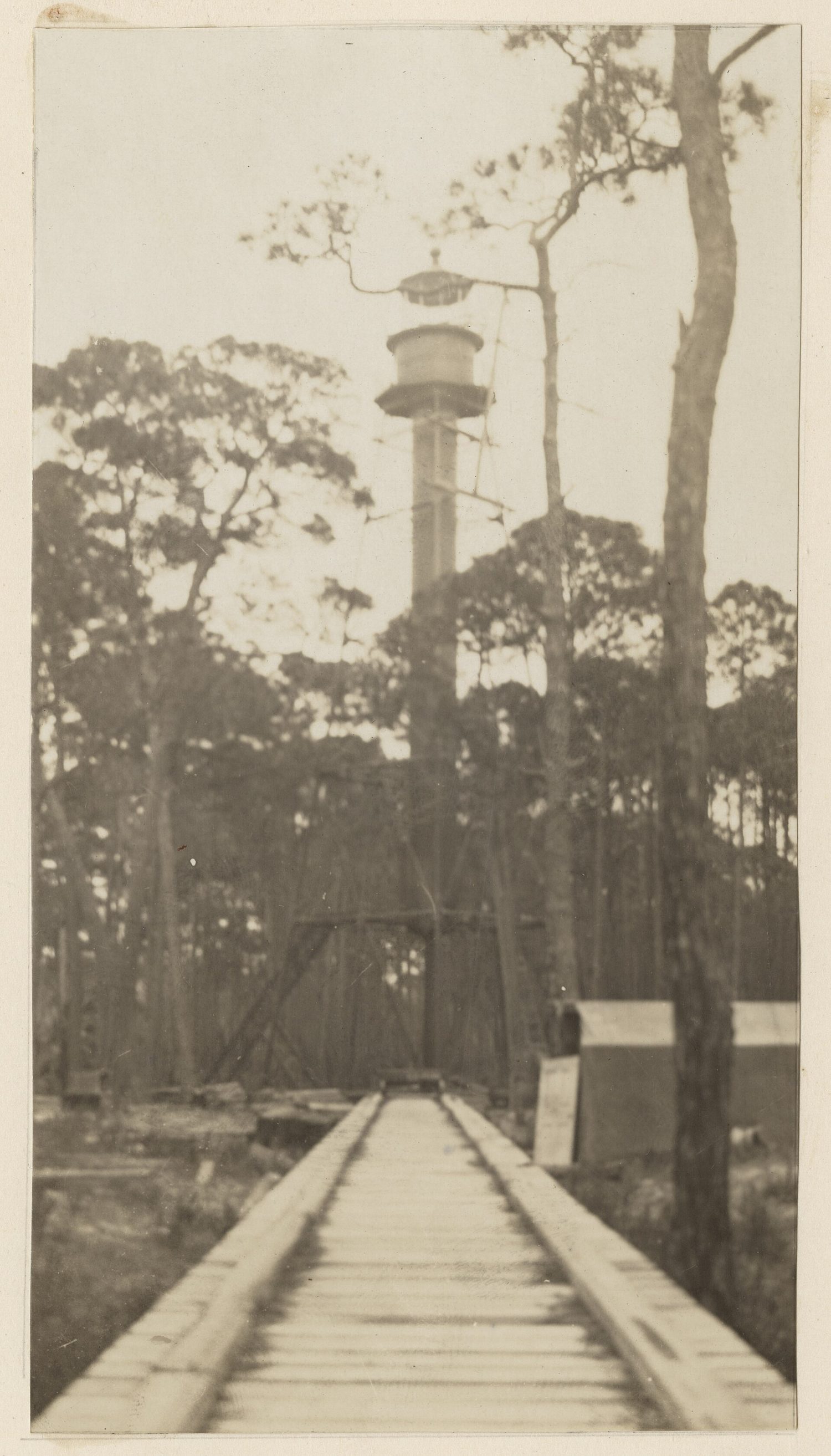
Drive west out of town to Cape San Blas Lighthouse (200 Miss Zola's Dr, rated 4.7 from 479 reviews), roughly 20 miles by road from central Port St. Joe. The cape is exposed geography—a thin spit of land reaching into the Gulf, subject to the same storm surges that erased the original town. The lighthouse itself is a rebuilt survivor, moved inland after repeated storm damage. It stands now as a monument to the same persistence that rebuilt the town.
If you need a late snack, LongBill's on Cape San Blas (7650 Cape San Blas Rd, rated 4.3 from 573 reviews) or Cone Heads 8020 (8020 Cape San Blas Rd, rated 4.0 from 694 reviews) are nearby. But keep the focus on the cape itself. The point is not the food; it is the geography. This is where the Gulf proves it can take what it wants, and the town rebuilds anyway.
Evening: Dinner Where the Town Gathers
Return to Reid and Monument Avenues, where the restaurant row has become the center of a town whose original center is gone. The White Marlin and Oysterette (602 Monument Ave, rated 4.6 from 1281 reviews), Sand Dollar Cafe (301 Monument Ave, rated 4.7 from 978 reviews), and Quatro Locos Tacos and Cantina (301 Monument Ave, rated 4.7 from 729 reviews) all sit within a few blocks of each other. The concentration is not accidental. When the original town died, the new one clustered its social life along these two streets, and the pattern persists.
The choice among them is a matter of appetite, not loyalty. The ratings are close, the locations are close, and the patrons are a mix of locals and visitors who have found their way to the same few blocks. This is where the town reassembles each evening—not around a courthouse square or a convention hall, but around tables.
Night: The Bay and the Town's Absence
End at the bayfront or Gulf County Veterans Memorial Park on Beacon Hill. The water here is the same water that carried the 1844 storm surge that finished what the 1841 yellow fever epidemic began. Stand at the edge of it and consider what the bay has taken: a town that wrote a constitution, hosted a convention, and then was gone within six years. What remains is the modern town, the lighthouse, the museum, and the stubborn habit of rebuilding.
The seasonal marker is the Florida Scallop, Music & Arts Festival, held Labor Day weekend at the Veterans Memorial Park, run by the Gulf County Chamber of Commerce. It closes out the scallop season the coast is named for—a reminder that this water gives as well as takes, and the town marks both.
What the Census Says About Port St. Joe's Second Life
| Measure | Value |
|---|---|
| Population | 3,499 people |
| Median age | 52.9 years |
| Median household income | $60,347 |
| Median home value | $280,600 |
| Median gross rent | $1,342 |
| Bachelor's degree or higher | 33 percent |
| Unemployment rate | 6 percent |
| Total housing units | 2,037 units |
| Seasonal or recreational homes | 270 units |
| Vacant housing units | 473 units |
The answers to the questions a visitor might ask are embedded in the day itself. What happened to the original St. Joseph? Fever in 1841, storm surge in 1844. Where can you see evidence of the 1838 convention? At the Constitution Convention Museum State Park, where the delegates speak in recording and the reproduction hall stands as a testament to what was written here. What is there to do beyond the beach? Walk the erased grid, watch the working waterfront, and stand at the cape where the lighthouse survived. How far is Cape San Blas? About 20 miles west, an hour's round trip. Which restaurants are worth a stop? The ones on Reid and Monument Avenues, where the town reassembles every evening—but the town itself is the point, not the menu.
Common questions
- What happened to the original town of St. Joseph?
- The original town of St. Joseph was mostly abandoned in 1841 after a yellow fever epidemic, and a hurricane storm surge in 1844 destroyed what structures remained. The modern town carries the saint's name of the settlement that died here—St. Joseph, with Port added.
- Where was Florida's first constitution written?
- Florida's first constitution was written in St. Joseph from 3 December 1838 to 11 January 1839 by territorial delegates. The town's motto is still Birthplace of the Florida Constitution, and the Constitution Convention Museum State Park, 14 acres outside town, has a reproduction convention hall.
- What is there to do in Port St. Joe today?
- You can visit the Cape San Blas Lighthouse (rated 4.7) west of town, or eat at places like Sand Dollar Cafe (4.7), Quatro Locos Tacos and Cantina (4.7), or Joe Mama's Wood Fired Kitchen (4.6). The Florida Scallop, Music & Arts Festival happens Labor Day weekend.
- Is Port St. Joe a good place to live or visit?
- The population is 3,499, with a median age of 52.9 years. Median home value is $280,600, and median gross rent is $1,342. Of 2,037 housing units, 270 are seasonal or recreational, and 473 are vacant. Unemployment is 6 percent.
- What is the history behind the name Port St. Joe?
- The original town of St. Joseph was erased by fever in 1841 and storm in 1844. The port that replaced it took the same name, with Port added. Everything here has been rebuilt at least once.
- What nearby towns are worth a day trip?
- Apalachicola is 23 miles away with the Florida Seafood Festival, and St. George Island is 31 miles with a chili cook-off. Perry (121 miles), Steinhatchee (134 miles), Cedar Key (163 miles), and Dade City (238 miles) are farther options.
Every business named above is one we hold a listing for, and every date traces to a source on our sources page. We do not describe menus, interiors or service we have not verified. Details change — confirm before you travel.