Guides · Port St. Joe, Florida
Port St. Joe by the Numbers: What the Census Says
The census numbers for Port St. Joe describe a town that has learned to count what remains.
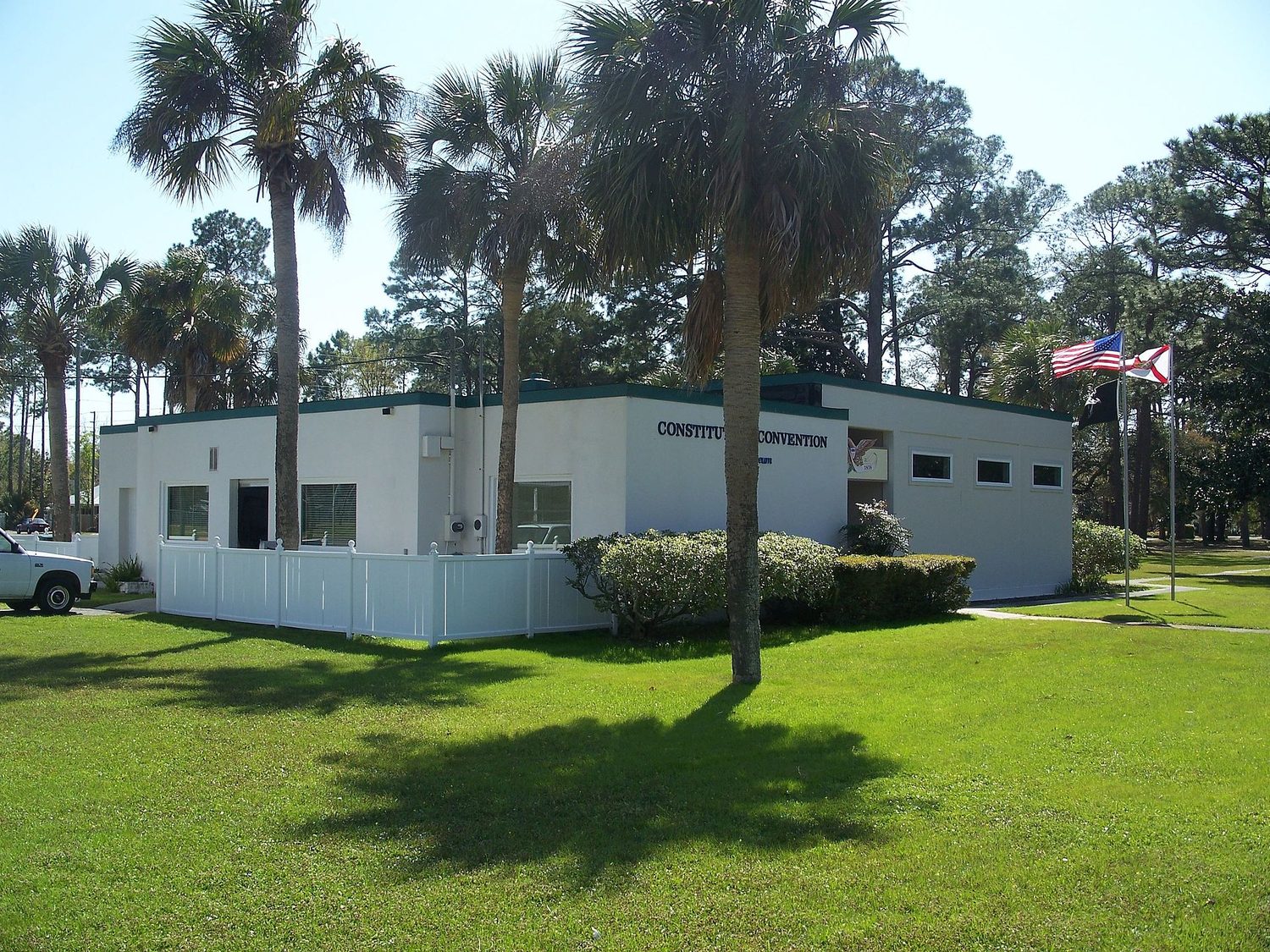
The Shape of the Place
The population is 3,499 people. The median age is 52.9 years. That is not a typo, and it is not a retirement brochure. It is the arithmetic of a place where the past is not a decoration but a foundation.
The original town of St. Joseph was mostly abandoned in 1841 after a yellow fever epidemic. A hurricane storm surge in 1844 destroyed what structures remained. The modern town carries the saint's name of the settlement that died here—St. Joseph, with Port added. Everything here has been rebuilt at least once.
The Numbers as a Mirror
There are 2,037 total housing units. Of those, 473 are vacant. Another 270 are held for seasonal or recreational use. That leaves roughly 1,294 units for year-round residents in a town of 3,499 people. The math is blunt: a significant share of the built environment is not occupied most of the year.
The median home value is $280,600. The median gross rent is $1,342. The median household income is $60,347. Run those figures against each other and you see the strain. A household earning the median income can afford the median rent, barely, but the median home value is roughly 4.6 times the median income. That is not a crisis on paper; it is a crisis in practice.
The unemployment rate is 6 percent. That is higher than the state average, though the figure is a snapshot, not a verdict. The share of adults with a bachelor's degree or higher is 33 percent. That is respectable for a small Gulf County town, but it does not tell you how many of those degree holders commute out of town for work, or how many left and never came back.
What the Numbers Do Not Say
The census does not record the fact that Florida's statehood began here. Territorial delegates met at St. Joseph from 3 December 1838 to 11 January 1839 to write the state's first constitution. The town's motto is still Birthplace of the Florida Constitution. That is not a marketing slogan. It is a legal and historical fact, carved into the identity of a place that was erased within three years of that achievement.
The census does not record the storm surge of 1844, or the yellow fever that emptied the streets before it. It does not record that the port which replaced the first town took the same name, as if to insist that the idea outlived the bodies.
The numbers do record age. A median age of 52.9 means half the town is older than that. In a place with a high vacancy rate and a high share of seasonal units, that age profile suggests a town that is not replacing itself through births alone. It suggests a town that is being replenished by people who arrive with savings, or who arrive for the water and the quiet.
The Weight of the Name
Port St. Joe is not a hidden gem. It is not a secret. It is a town that has been destroyed and rebuilt, and the census numbers are the ledger of that persistence. The vacant units are not failures; they are the empty rooms of a town that has learned to survive absence. The seasonal homes are not intrusions; they are the economic reality of a place that sits on the Gulf of Mexico, near Cape San Blas and its lighthouse, west of town in Gulf County.
The 473 vacant units are a reminder that this town has seen emptiness before. The 270 seasonal units are a reminder that people still want to be here, even if only for part of the year. The 3,499 residents are the ones who stayed.
The Constitution and the Counting
There is a Constitution Convention Museum State Park, 14 acres outside town, with a reproduction convention hall and audio-animated recreations of the 1838 delegates. It is not in the census. But the census is a document of its own kind—a count of who lives, who works, who owns, who rents, who stays, who leaves.
The first town of St. Joseph wrote a constitution and then died. The town that carries its name is still here, counted every ten years, rebuilt at least once, and still standing. The numbers are not romantic. They are precise. That is exactly how this town should be read.
Every business named above is one we hold a listing for, and every date traces to a source on our sources page. We do not describe menus, interiors or service we have not verified. Details change — confirm before you travel.