Guides · Port St. Joe, Florida
Living in Port St. Joe, FL: History, Seasons & More
The town that now calls itself Port St. Joe is a deliberate act of reclamation, built on the bones of a namesake that was abandoned and destroyed within six years of its founding.
The Town That Died and the Port That Took Its Name
The original St. Joseph was a boomtown with an audacious purpose. From 3 December 1838 to 11 January 1839, territorial delegates met there to draft Florida's first state constitution, a document that would set the terms for statehood. The town was less than four years old when it hosted that convention, and it would not survive to see the state it helped create. In 1841, yellow fever swept through the settlement, and most residents abandoned it. A hurricane storm surge in 1844 finished the job, destroying what structures remained. The town was gone within three years of its moment of significance.
The modern town that occupies that stretch of Gulf County shoreline carries the saint's name of the settlement that died here—St. Joseph, with Port added. It is a second-chance port, a community that adopted the identity of a lost place. Everything here has been rebuilt at least once. The first town was erased by fever and storm, and the port that replaced it took the same name. That is not a footnote; it is the foundation of the place's character. The town's motto is still Birthplace of the Florida Constitution, a claim that requires remembering a city that no longer exists.
Living in Port St. Joe: A Small Town Carrying a Big Legacy
Living in Port St. Joe means carrying a historical burden that most towns twice its size never face. The population numbers just 3,499 people, and the median age is 52.9 years. These are not the demographics of a transient boomtown; they are the contours of a settled community that has chosen to stay in a place with a complicated past.
The primary site for encountering that past is Constitution Convention Museum State Park, a 14-acre park outside town with a reproduction convention hall and audio-animated recreations of the 1838 delegates. It is not a static exhibit; it is an attempt to bring the dead back into the room. The delegates who wrote Florida's first constitution are rendered as moving, speaking figures, and the effect is less like a museum and more like a séance conducted with historical rigor. This is the closest you can get to the state's birth, and it is the town's most direct engagement with the legacy it claims.
The weight of that legacy is not abstract. The town's motto is a daily reminder that the place you live was chosen as the site for a foundational act of American governance, and that the town that hosted that act was gone within a decade. To live here is to inhabit a place that has already experienced its own erasure and has chosen to continue under the same name.
Housing and Economy in Port St. Joe: A Seasonal Coastal Market
The numbers tell the story of a community that has been rebuilt and now serves as a seasonal destination. There are 2,037 total housing units in Port St. Joe, with 473 vacant units—a vacancy rate of roughly 23 percent, which is high by most standards but typical of coastal towns where homes sit empty between seasons. Of those units, 270 are held for seasonal or recreational use, confirming that the town has a meaningful second-home component.
The median home value is $280,600, and the median gross rent is $1,342 per month. The median household income is $60,347, which means that homeownership is within reach for many residents but not for all. A full 33 percent of the population holds a bachelor's degree or higher, which is notable for a town of this size and speaks to a population that is educated and engaged. The unemployment rate is 6 percent, slightly above the national average but not alarming for a coastal community with seasonal economic rhythms.
The vacancy rate and the seasonal units suggest a town that is partially inhabited year-round and partially a destination. That is not a criticism; it is a description of how a rebuilt port survives. The economy is tied to the water, and the water is tied to the seasons.
Port St. Joe's Seasons: Scallop Season and the Labor Day Festival
The water shapes work and leisure in Port St. Joe. The coast is named for the scallop season, and that season has a definitive close: the Florida Scallop, Music & Arts Festival, held Labor Day weekend at Gulf County Veterans Memorial Park on Beacon Hill. The festival is run by the Gulf County Chamber of Commerce and is the final opportunity of the year to celebrate the harvest that defines the local identity. It is a closing ritual, a way of marking the end of one season and the beginning of another.
The water is not just a backdrop; it is the reason the town exists. The original St. Joseph was a port, and the modern Port St. Joe is a port as well. The continuity is not in the structures—those were destroyed—but in the relationship to the sea.
Port St. Joe vs. Nearby Coastal Towns: Apalachicola and St. George Island
Port St. Joe does not exist in isolation. It is part of a Gulf County region that includes other coastal communities, each with its own relationship to the water and its own annual rituals. The nearest neighbor is Apalachicola, 23 miles away, which hosts the Florida Seafood Festival. St. George Island, 31 miles away, has the St. George Island Chili Cook-Off. Further afield are Perry (121 miles, Florida Forest Festival), Steinhatchee (134 miles, Fiddler Crab Festival), Cedar Key (163 miles, Cedar Key Seafood Festival), and Dade City (238 miles, Kumquat Festival).
| Town | Distance from Port St. Joe | Signature Annual Event |
|---|---|---|
| Apalachicola | 23 miles | Florida Seafood Festival |
| St. George Island | 31 miles | St. George Island Chili Cook-Off |
| Perry | 121 miles | Florida Forest Festival |
| Steinhatchee | 134 miles | Fiddler Crab Festival |
| Cedar Key | 163 miles | Cedar Key Seafood Festival |
| Dade City | 238 miles | Kumquat Festival |
The comparison is instructive. Port St. Joe is not the biggest town in the region, nor the most famous. But it is the one with the strangest story. The other towns have festivals that celebrate their current industries and identities. Port St. Joe has a festival that closes out a season, and a museum that reanimates the dead. The other towns have histories; Port St. Joe has a ghost.
What remains is a town that has been rebuilt on the site of a place that was destroyed, carrying the name of that lost settlement, and living in the shadow of the state's birth. The original St. Joseph was abandoned in 1841 and erased by 1844. The port that took its name has survived, and it continues to carry the weight of that inheritance. That is not a hidden gem. That is a historical obligation, and the town meets it every day.
Common questions
- What happened to the original town of St. Joseph?
- The original St. Joseph was erased within six years. A yellow fever epidemic in 1841 forced most residents to abandon it, and a hurricane storm surge in 1844 destroyed what remained. The modern town carries the saint's name, with Port added.
- Why is Port St. Joe called the Birthplace of the Florida Constitution?
- Territorial delegates met at St. Joseph from 3 December 1838 to 11 January 1839 to write Florida's first constitution. That document led to statehood, and the town's motto remains Birthplace of the Florida Constitution.
- Can I visit the site of the original constitution convention?
- Yes. Constitution Convention Museum State Park, 14 acres outside town, has a reproduction convention hall and audio-animated recreations of the 1838 delegates. It interprets the convention and the town's brief, dramatic history.
- What is there to do near Port St. Joe?
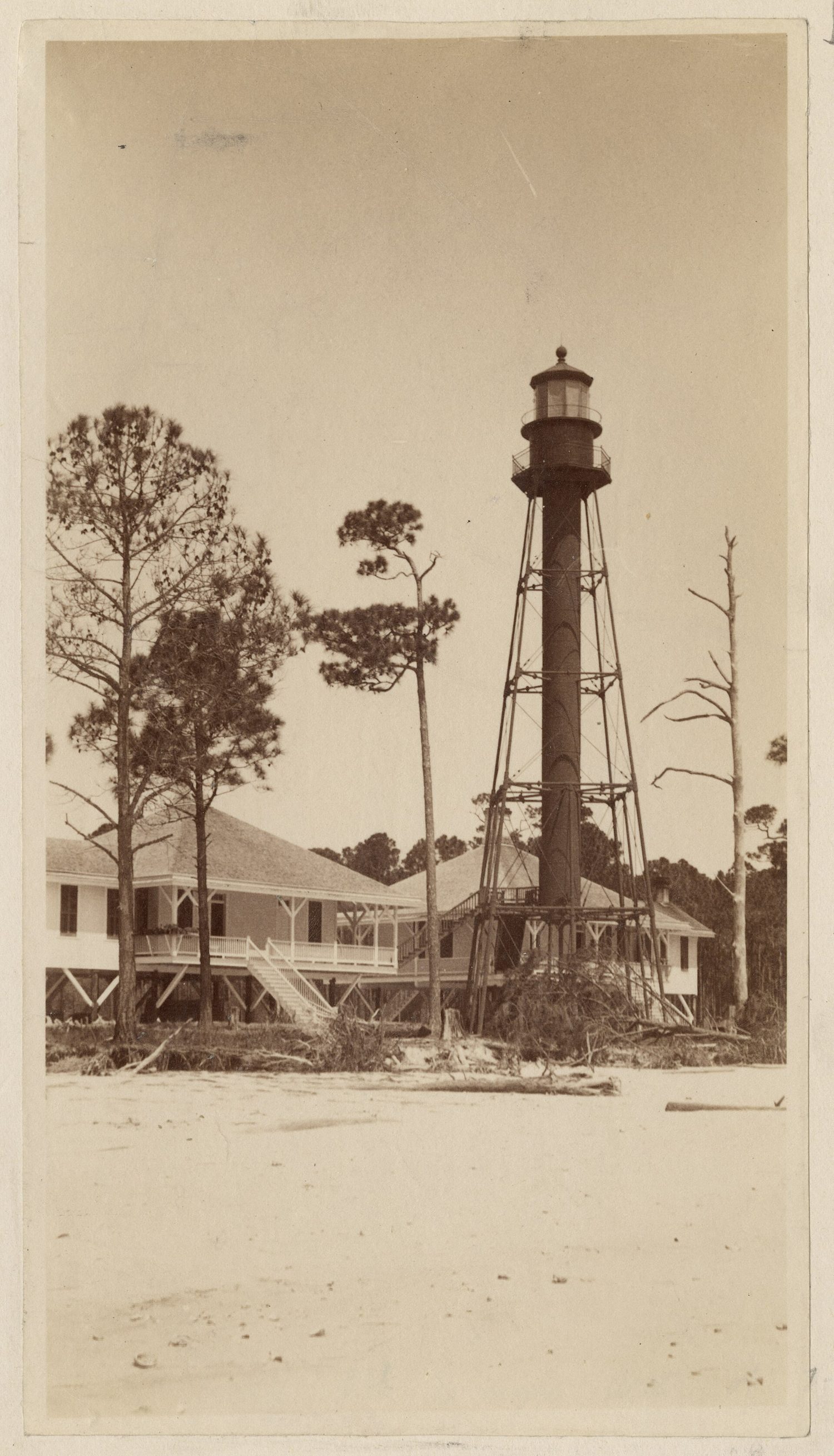
- Cape San Blas and its lighthouse are west of town in Gulf County. For events, the Florida Scallop, Music & Arts Festival happens Labor Day weekend at Gulf County Veterans Memorial Park on Beacon Hill. Apalachicola is 23 miles away.
- Is Port St. Joe a good place to retire?
- The median age is 52.9 years, and 33 percent of residents hold a bachelor's degree or higher. Median home value is $280,600, with median gross rent at $1,342. It's a small town of 3,499 people, quiet and coastal.
- How many homes in Port St. Joe are vacant or seasonal?
- Of 2,037 total housing units, 473 are vacant and 270 are held for seasonal or recreational use. That means a notable share of homes are not year-round residences, reflecting the area's coastal vacation character.
Every business named above is one we hold a listing for, and every date traces to a source on our sources page. We do not describe menus, interiors or service we have not verified. Details change — confirm before you travel.